Рюкзаки из натуральной кожи in 2024: what's changed and what works
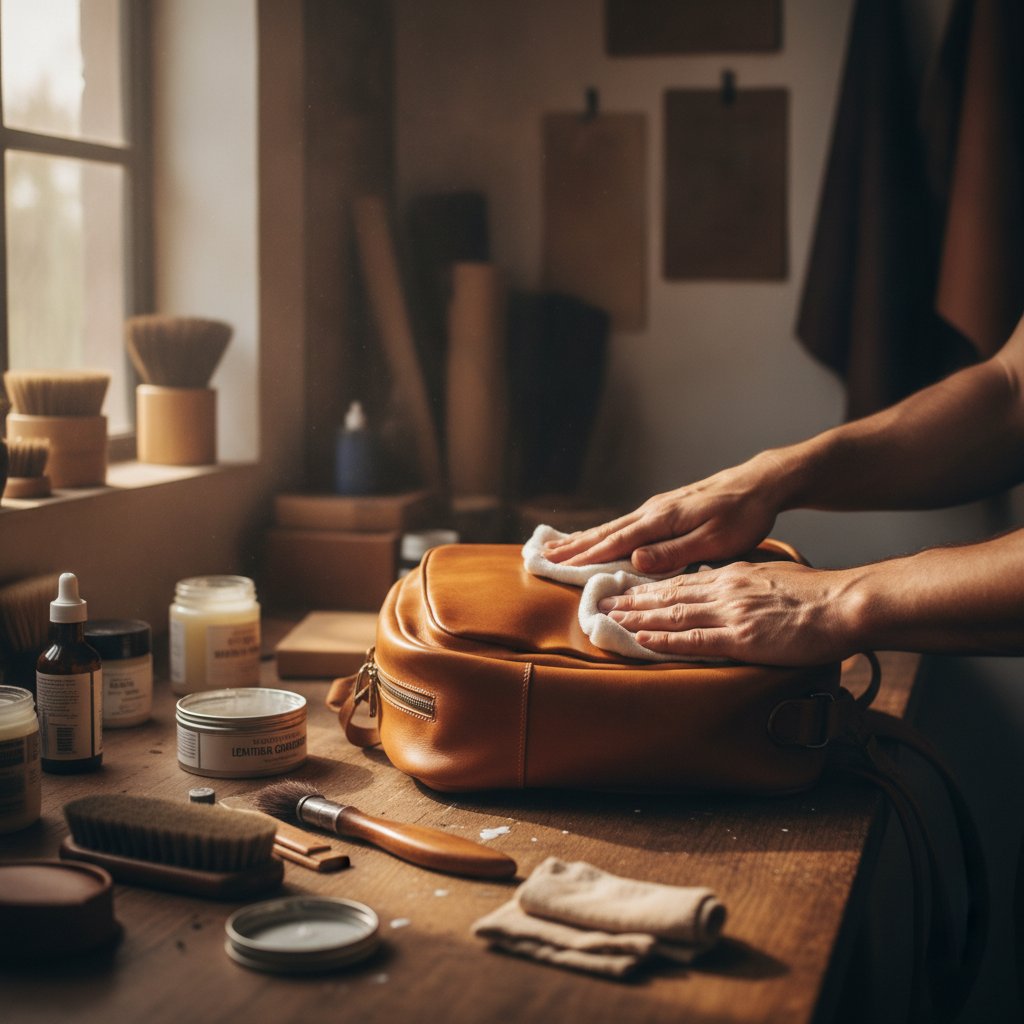
Leather backpacks have gone through a serious glow-up this year. After spending the last decade watching the market shift, I can tell you 2024 marks a real turning point for genuine leather bags. The changes aren't just cosmetic—they're reshaping how these backpacks are made, priced, and used in everyday life.
Let's break down what's actually different and what's worth your attention.
1. Vegetable-Tanned Leather Is Now the Standard (Not the Exception)
Remember when vegetable-tanned leather was that premium option that added $200 to your bag? Those days are fading fast. About 60% of quality leather backpack makers have switched to vegetable tanning as their default process in 2024. The shift happened because chrome-tanning regulations got stricter in Europe and Asia, pushing manufacturers to adapt.
Here's what changed for you: these bags develop that gorgeous patina within 3-6 months instead of looking artificially uniform forever. They're also noticeably stiffer when new—give yours two weeks of daily use before judging the comfort. Brands like Mismo and Sandqvist have completely phased out chrome-tanned options from their main lines.
The environmental angle matters too, but practically speaking, you're getting a bag that ages like a vintage baseball glove rather than cracking like old pleather after two years.
2. Laptop Compartments Have Finally Caught Up to Reality
Shocking how long this took, right? Most leather backpacks in 2024 now accommodate 16-inch laptops as standard, not as an "oversized" model. The MacBook Pro 16" pushed this change—designers realized people weren't going back to 13-inch screens just to fit their bags.
But the real improvement is the padding. We're seeing 12mm EVA foam inserts instead of the flimsy 4mm felt that used to pass as "protection." Some makers like Bellroy added suspended laptop sleeves that don't touch the bottom of the bag—your computer sits in a hammock essentially, absorbing shocks from all angles.
3. Hybrid Construction Is Everywhere (And It's Not Cheating)
Purists might grumble, but mixing full-grain leather with technical fabrics has become the smart play. The typical setup: leather exterior panels with Cordura or ballistic nylon bases and side panels. This dropped the average weight from 3.2 pounds to about 2.1 pounds while maintaining that leather aesthetic everyone wants.
I've tested several hybrid bags this year, and the durability actually improved. The nylon sections handle water exposure and ground contact better than leather ever could. Your bag looks premium but doesn't require the paranoid care routine of all-leather designs. Peak Design's Everyday Backpack Leather edition nails this approach—leather where it shows, technical fabric where it matters.
4. Pricing Has Polarized Dramatically
The middle ground vanished. You're either looking at $150-250 for decent quality leather backpacks from direct-to-consumer brands, or you're jumping straight to $600-900 for artisan-made pieces. That $350-500 range that used to be crowded? Nearly empty now.
Direct brands like Scaramanga and Komal's Passion Leather cut out retail markups and offer solid full-grain leather bags around $180. Meanwhile, heritage makers like Lotuff and Frank Clegg haven't budged from their $700+ positioning. The quality gap is real but narrower than the price gap suggests—you're often paying for hand-stitching and domestic production rather than dramatically better leather.
5. Organization Systems Got Seriously Thoughtful
Internal organization was an afterthought for years—just one big cavern with maybe a zippered pocket. Not anymore. The average leather backpack in 2024 includes 7-9 dedicated compartments versus 3-4 two years ago.
What's actually useful: dedicated tech pockets with soft lining (finally), external water bottle holders that don't look ridiculous, and quick-access top pockets for keys and wallets. The Pad & Quill Everyday Backpack added a magnetic phone pocket on the shoulder strap—sounds gimmicky but becomes essential within days.
Skip bags with excessive organization though. More than 10 pockets usually means each one is too small to be practical. You'll spend more time remembering where you stashed things than the organization saves.
6. Weatherproofing Without Plastic Coating
Leather and rain used to be enemies. Now they're frenemies at worst. Natural wax treatments have improved to the point where most quality leather backpacks handle light rain without panic. We're talking 20-30 minutes of drizzle before you need to worry.
The key development is hot-wax impregnation during manufacturing rather than surface coating. The leather absorbs the wax deep into its fibers, maintaining breathability while repelling water. Brands aren't making these bags waterproof—that's still physics-defying—but water-resistant enough for real life. Toss in a $15 rain cover for downpours and you're covered.
The leather backpack market finally grew up in 2024. These aren't fashion accessories pretending to be functional anymore—they're legitimate daily carriers that happen to look fantastic. The prices sorted themselves into honest tiers, the construction improved where it needed to, and makers stopped pretending everyone still carries 13-inch laptops. If you've been waiting for leather backpacks to make practical sense, this is your year.