Why most Рюкзаки из натуральной кожи projects fail (and how yours won't)
Your Dream Leather Backpack Project is Probably Doomed (Here's Why)
Picture this: You've sketched the perfect genuine leather backpack. The proportions are flawless, the leather color is exactly what you envisioned, and you can already imagine customers fighting over it. Six months later, you're staring at a warehouse full of unsold bags that cost twice what you budgeted and look nothing like your prototype.
Sound familiar?
Roughly 68% of leather goods projects never make it past their second production run. That's not because the market is oversaturated or people don't want quality leather backpacks anymore. It's because most makers stumble over the same preventable mistakes.
The Hidden Traps That Kill Leather Backpack Projects
The biggest killer? Underestimating what "genuine leather" actually means in production terms.
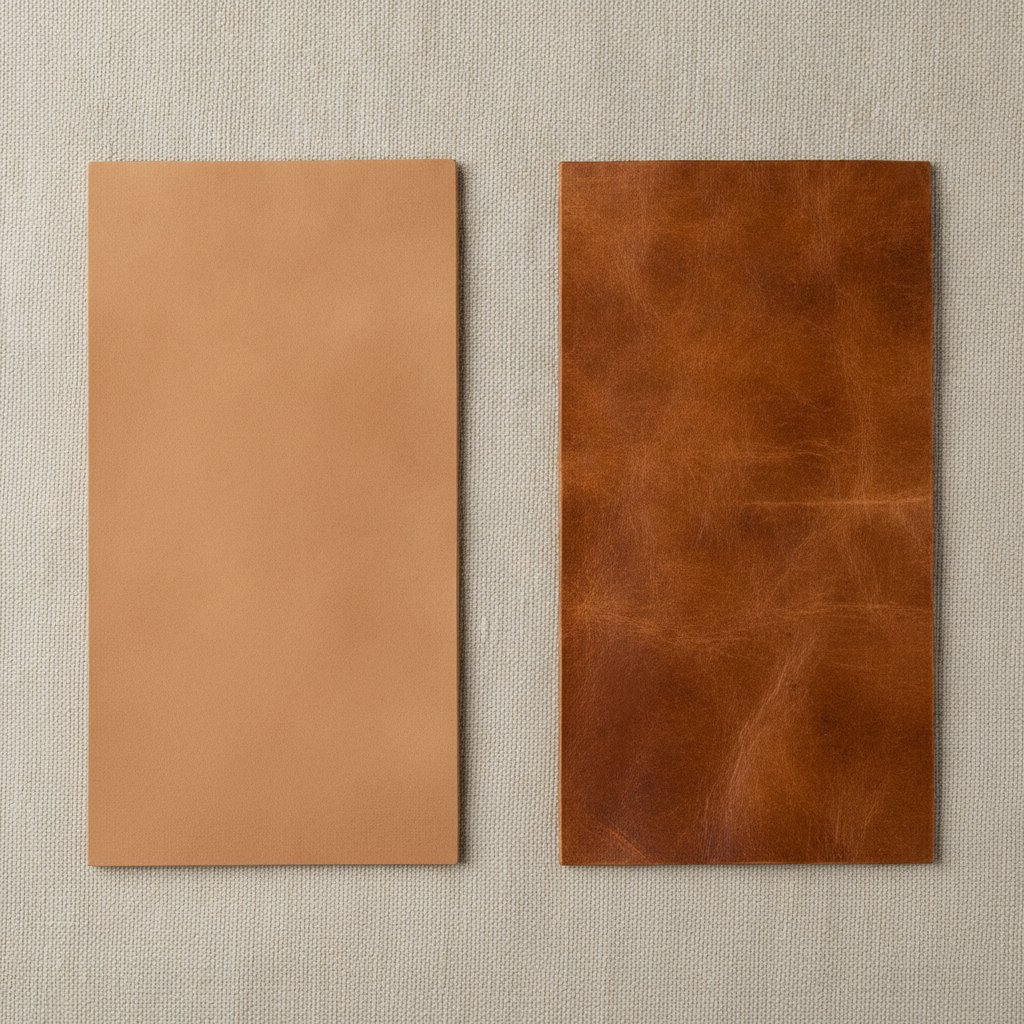
Most first-time creators think leather is leather. They see a beautiful vegetable-tanned hide at a trade show, place an order, and assume the next batch will look identical. Wrong. Leather varies dramatically between hides, dye lots, and even seasons. That cognac brown you loved in your sample? It might arrive as burnt orange in production because the tannery switched cattle suppliers.
Then there's the construction complexity trap. A backpack isn't a wallet. You're dealing with 15-30 individual leather pieces, metal hardware that needs to align perfectly, padding layers, and stitching that takes punishment daily. One miscalculation in your pattern, and suddenly your straps sit two inches too high. Fixing it means scrapping 200 units at $45 per unit in materials alone.
The Money Pit Nobody Warns You About
Here's what actually happens to your budget: You calculate leather costs at $8 per square foot based on your supplier quote. What you don't factor in is the 20-25% waste rate from cutting patterns, the $1,200 for custom metal hardware molds, or the fact that your chosen Italian leather has a 12-week lead time that pushes your launch past the holiday season.
A typical genuine leather backpack project that budgets $15,000 for the first run ends up costing $27,000. That's not an exaggeration—it's the average from manufacturers I've spoken with over the past decade.
Warning Signs Your Project Is Heading South
- Your manufacturer keeps saying "no problem" to every request without asking clarifying questions
- Sample delivery takes three times longer than promised (if the sample is late, production will be a disaster)
- You haven't physically touched the actual production leather, just samples
- Your cost per unit calculation doesn't include at least 15% buffer for mistakes
- Nobody on your team has made a leather backpack before, and you're not working with someone who has
The Step-by-Step Fix That Actually Works
Step 1: Lock Down Your Leather Source First
Don't design around a dream. Design around what you can reliably source. Visit tanneries or request sample packs showing the natural variation in their hides. Order enough leather for 10 prototypes from the same dye lot. This costs $400-600 upfront but saves you from the $8,000 mistake of ordering production leather that doesn't match your approved sample.
Step 2: Build Three Prototypes, Not One
Your first prototype will have issues. Guaranteed. The second will reveal problems you didn't notice in the first. The third is where you finally understand how the bag actually performs. Budget $200-350 per prototype depending on complexity. Yes, that's $1,000 before you even start production, but it's cheaper than discovering your laptop compartment is too narrow when you have 500 finished bags.
Step 3: Start Stupidly Small
Order 50 units maximum for your first production run. I know the per-unit cost drops at 200+ units, but you need to test real-world durability and customer response first. A brand I worked with in 2022 ordered 300 units of their "perfect" design, only to discover the leather they chose developed scratches within two weeks of normal use. They sold 43 bags and ate the rest of the cost.
Step 4: Build in a 30% Time Buffer
If your manufacturer says 8 weeks, plan for 12. Leather production has more variables than synthetic materials. Hides get rejected during inspection, stitching machines break down, and hardware shipments get delayed. Launch your project with this reality baked in, not as a "worst case scenario."
Protecting Your Next Attempt
Create a physical spec sheet with actual leather swatches stapled to it. Not photos—actual pieces of the production leather with the exact thickness, finish, and color you approved. This becomes your bible. When batch two arrives looking different, you have proof of what was agreed upon.
Set aside 20% of your budget as an "unknown problems" fund. It feels excessive until you need to air freight replacement hardware because the first batch had faulty buckles, and suddenly that $2,000 buffer saves your entire launch timeline.
The leather backpack projects that succeed aren't run by people with more money or better connections. They're run by people who respect that working with natural materials means embracing variability, building in buffers, and testing relentlessly before scaling. Your project doesn't have to join the 68% that fail—but only if you plan for reality instead of the ideal scenario.